

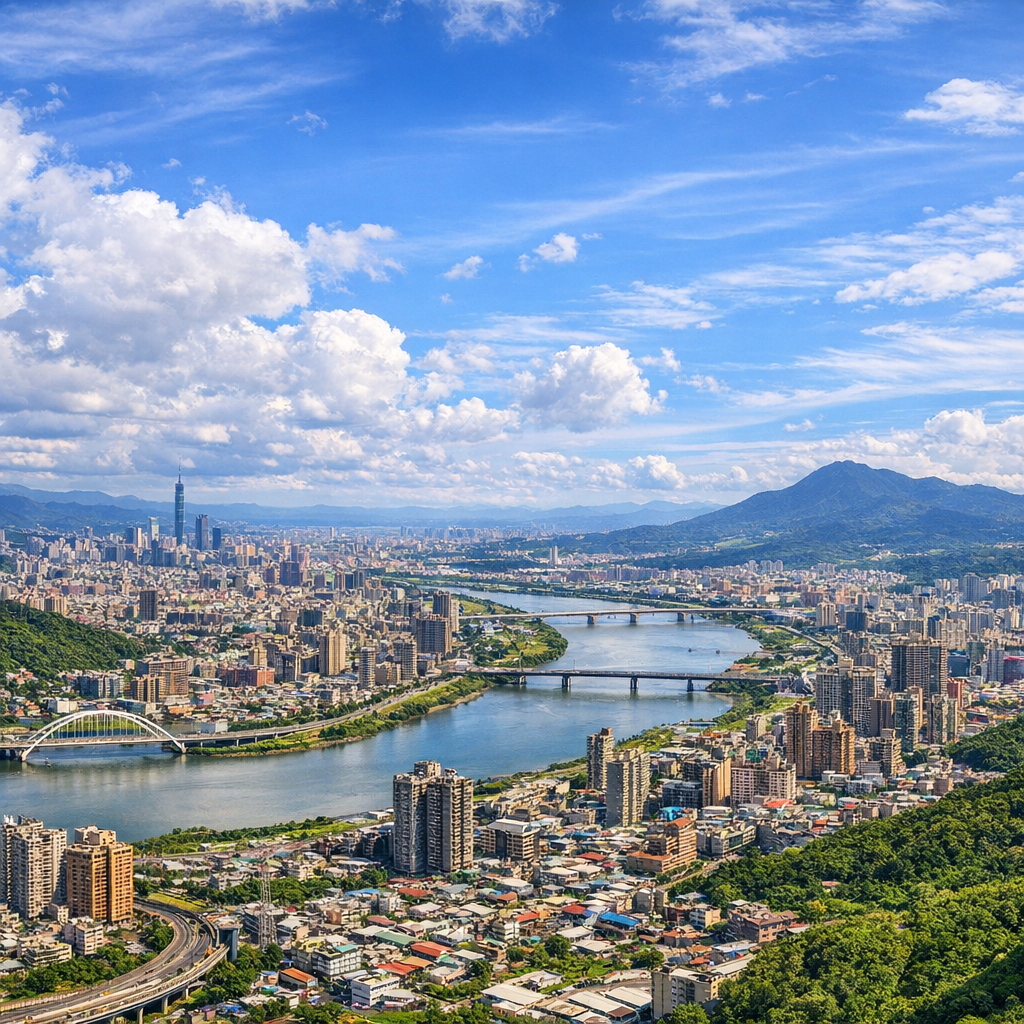
New Taipei City, situated in northern Taiwan, experiences a humid subtropical climate characterized by distinct seasonal variations and significant rainfall throughout the year. Understanding these patterns is essential for residents to navigate daily life and environmental challenges effectively.
Seasonal Overview
Spring (March to May)
Spring in New Taipei brings gradually warming temperatures, with average highs increasing from around 22.1°C (71.8°F) in March to 32°C (89.6°F) by June. This period also sees a rise in humidity and the onset of the rainy season, leading to frequent showers and occasional thunderstorms. Residents should be prepared for sudden weather changes and ensure proper rain gear is on hand.
Summer (June to September)
Summers are hot and humid, with average high temperatures peaking at approximately 34.3°C (93.7°F) in July. This season is also marked by the highest rainfall, particularly in August and September, due to the influence of the East Asian monsoon and occasional typhoons. It’s advisable to stay updated on weather forecasts and take necessary precautions during typhoon warnings.
Autumn (October to November)
Autumn offers a respite from the intense summer heat, with temperatures gradually decreasing and rainfall becoming less frequent. This period is often considered the most comfortable time of the year, making it ideal for outdoor activities and festivals.
Winter (December to February)
Winters are short and mild, with average high temperatures around 19.1°C (66.4°F) in January. While snowfall is rare in the city, the surrounding mountains may experience occasional snow. Residents should be prepared for cooler temperatures and increased rainfall during this season.
Environmental Considerations
New Taipei’s rapid urbanization and high population density contribute to environmental challenges, particularly concerning air and water quality.
Air Quality
The city faces issues with air pollution, primarily due to emissions from motor vehicles, industrial activities, and construction projects. The Environmental Protection Department monitors air quality and implements measures to reduce pollution levels. Residents are encouraged to stay informed about daily air quality indices and take precautions, especially during periods of high pollution.
Water Quality
Water pollution is another concern, with construction activities accounting for a significant portion of violations. In 2025, construction-related discharges made up 89% of water pollution violations in Taipei, highlighting the need for stricter regulations and enforcement to protect water resources. Residents can contribute by reporting suspected pollution incidents to the authorities.
Staying Informed and Prepared
To adapt to New Taipei’s climate and environmental conditions, residents should:
- Regularly check weather forecasts and air quality reports.
- Prepare for seasonal changes by having appropriate clothing and equipment.
- Participate in community initiatives aimed at improving environmental sustainability.
- Report environmental violations to the Environmental Protection Department to help maintain a healthy living environment for all.
By staying informed and proactive, residents can better navigate the challenges posed by New Taipei’s climate and contribute to a more sustainable and livable city.