

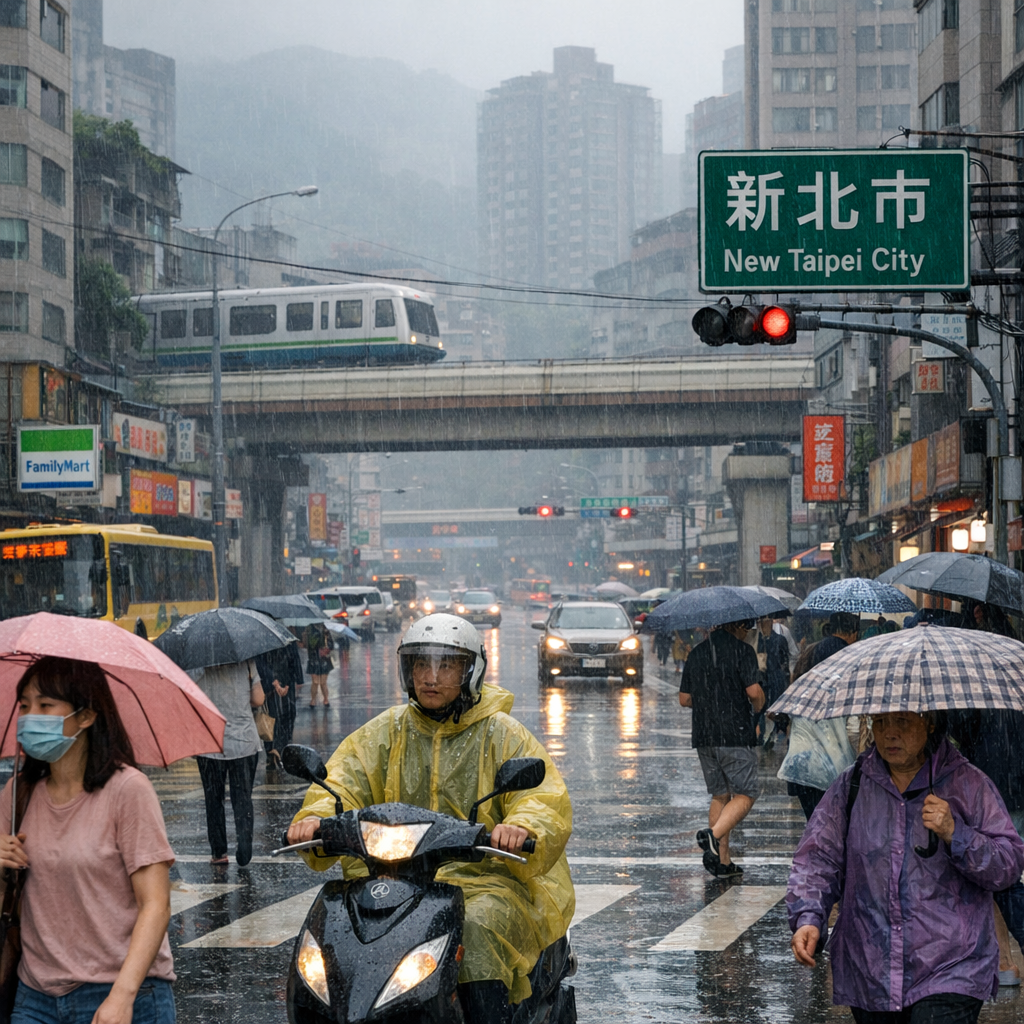
New Taipei City, situated in northern Taiwan, experiences a humid subtropical climate characterized by warm temperatures and significant rainfall throughout the year. Understanding these patterns is essential for residents to navigate daily life and environmental challenges effectively.
Temperature and Rainfall Patterns
Throughout the year, New Taipei’s temperatures exhibit moderate fluctuations. The warmest months are July and August, with average high temperatures reaching approximately 34.3°C (93.7°F) and 33.8°C (92.8°F), respectively. Conversely, January is the coolest month, with average highs around 19.1°C (66.4°F). Nighttime temperatures can drop to lows of 13.9°C (57°F) during this period.
Rainfall is abundant year-round, with September typically being the wettest month, averaging 361mm (14.21 inches) of precipitation. December, in contrast, is drier, receiving about 73mm (2.87 inches) of rainfall. This consistent precipitation contributes to the city’s lush greenery but also necessitates preparedness for frequent wet conditions.
Seasonal Variations
New Taipei’s climate is influenced by monsoon patterns, leading to distinct seasonal variations:
- Spring (March to May): Temperatures gradually rise, and rainfall increases, making it a favorable time for outdoor activities before the summer heat sets in.
- Summer (June to August): Hot and humid conditions prevail, with July and August being the warmest months. This period also coincides with the typhoon season, bringing heavy rains and strong winds.
- Autumn (September to November): Temperatures begin to cool, and while September remains wet, rainfall decreases in the following months, offering more comfortable conditions.
- Winter (December to February): Mild temperatures characterize this season, with cooler nights. Rainfall is relatively lower, but occasional cold fronts can bring cooler and wetter conditions.
Environmental Considerations
New Taipei faces environmental challenges, particularly concerning air quality. The city’s high population density and substantial number of motor vehicles contribute to air pollution. The Environmental Protection Department monitors pollutants such as particulate matter (PM10), sulfur oxides (SOx), and nitrogen oxides (NOx). Efforts are ongoing to control emissions from various sources, including industrial activities and transportation.
Residents are encouraged to stay informed about air quality indices and take necessary precautions, especially during periods of high pollution. Utilizing public transportation, reducing vehicle use, and supporting green initiatives can collectively improve the city’s air quality.
Preparing for Weather Events
Given the city’s susceptibility to typhoons and heavy rainfall, it’s crucial for residents to stay updated with weather forecasts and heed advisories from local authorities. Ensuring homes are prepared for strong winds and potential flooding can mitigate risks associated with severe weather events.
By understanding New Taipei’s climate and environmental dynamics, residents can make informed decisions to enhance their well-being and contribute to the city’s sustainability.