

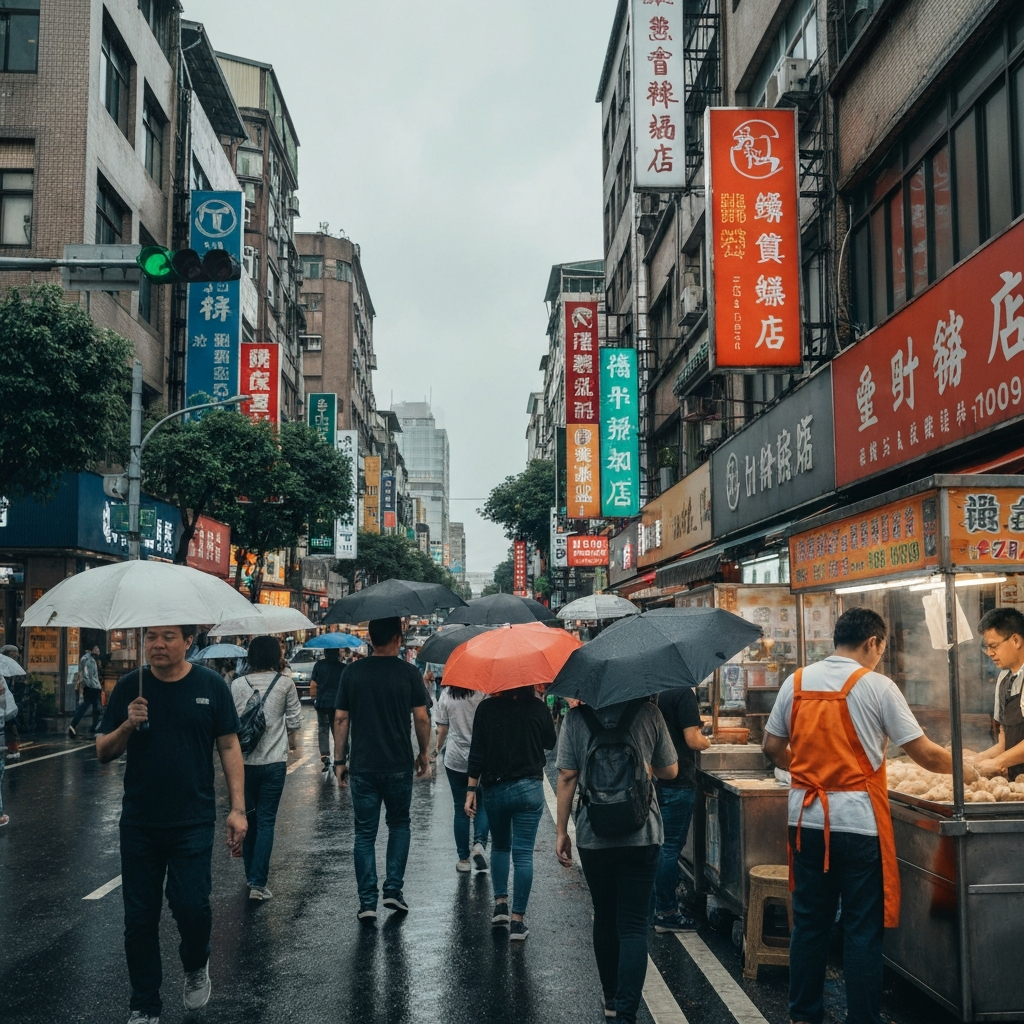
New Taipei City, situated in northern Taiwan, experiences a humid subtropical climate characterized by warm temperatures and significant rainfall throughout the year. Understanding these patterns is essential for residents to navigate daily life and environmental challenges effectively.
Seasonal Temperature Variations
Throughout the year, New Taipei’s temperatures exhibit moderate fluctuations. The warmest months are July and August, with average high temperatures reaching approximately 34.3°C (93.7°F) and 33.8°C (92.8°F), respectively. Conversely, January is the coolest month, with average highs around 19.1°C (66.4°F) and lows near 13.9°C (57°F). This range provides residents with a relatively mild winter and a hot, humid summer.
Rainfall and Humidity
Rainfall is a constant feature in New Taipei, with no distinct dry season. September typically sees the highest average rainfall at 361mm (14.21 inches), while December records the lowest at 73mm (2.87 inches). The city’s average annual relative humidity hovers around 76%, peaking in February at over 80%. These conditions contribute to the lush greenery of the region but also necessitate preparedness for frequent rain.
Environmental Considerations
New Taipei’s dense population and urban activities pose environmental challenges, particularly concerning air quality. The city has implemented measures to monitor and control air pollution, focusing on pollutants such as particulate matter (PM10), sulfur oxides (SOx), and nitrogen oxides (NOx). Residents are encouraged to stay informed about air quality indices and take necessary precautions during periods of elevated pollution.
Additionally, the city has established a Low-Carbon Community Development Centre to address climate change and promote sustainable practices. This initiative aims to reduce greenhouse gas emissions and enhance urban resilience against environmental challenges.
Staying Informed
For residents, staying updated on weather forecasts and environmental conditions is crucial. Utilizing local weather services and adhering to advisories can help mitigate the impacts of adverse weather and environmental events. Embracing sustainable practices and supporting city initiatives contribute to a healthier and more resilient New Taipei.