

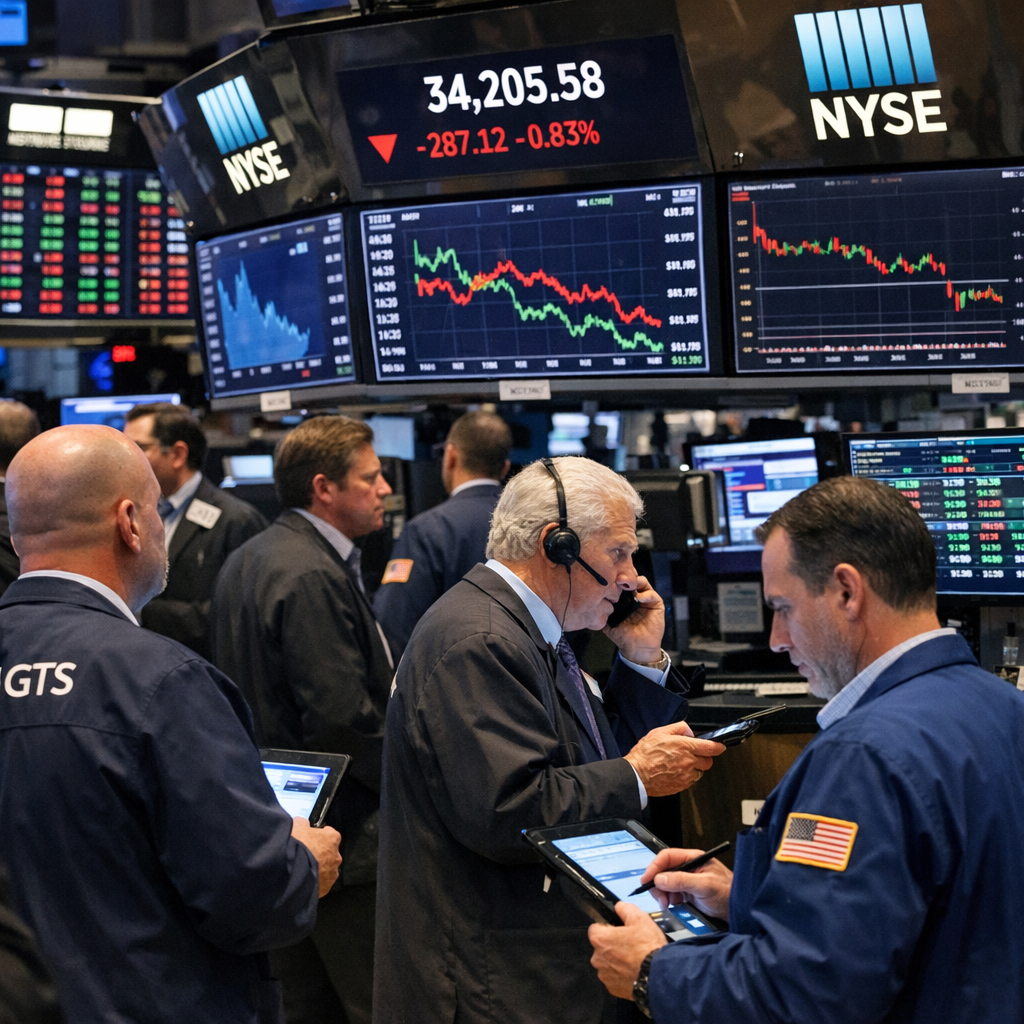
The United States economy is currently navigating a complex landscape marked by fluctuating employment figures, rising inflation, and the repercussions of international conflicts.
Employment Trends
Recent data indicates a downturn in the job market. In February, the U.S. economy experienced a loss of 92,000 jobs, following a downward revision of previous months’ figures. This trend suggests enduring weaknesses in employment growth, with sectors outside of health care facing significant challenges.
Inflation and Consumer Prices
Inflationary pressures have intensified, particularly in energy costs. Gasoline prices have surged, with the national average approaching $5 per gallon. This increase is largely attributed to geopolitical tensions, notably the conflict in Iran, which has disrupted oil supplies and heightened market volatility.
Impact of International Conflicts
The ongoing U.S.-Iran conflict has had a profound effect on the global economy. The International Monetary Fund projects a slowdown in global growth to 3.1% in 2026, citing the Middle East conflict and rising commodity prices as key factors. Additionally, the conflict has led to increased defense spending, which, while boosting short-term activity, may exacerbate fiscal deficits and public debt.
Federal Reserve Leadership
In response to these economic challenges, Kevin Warsh has been sworn in as the new Federal Reserve Chair, replacing Jerome Powell. Warsh faces the task of steering monetary policy amid rising inflation and market instability.
Understanding these developments is crucial for comprehending the current state of the U.S. economy and its potential future trajectory.