

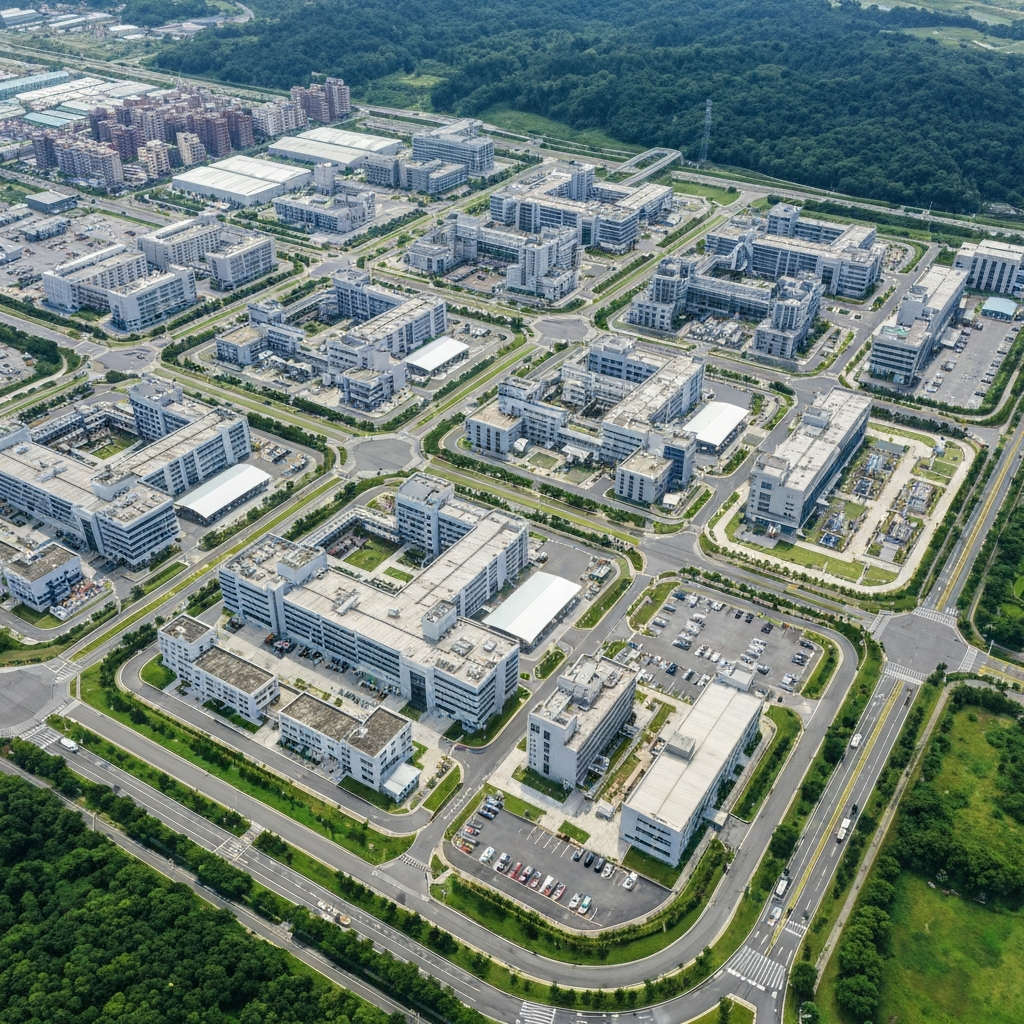
Taiwan’s semiconductor industry stands as a cornerstone of the global technology landscape, producing approximately 70% of the world’s semiconductors and 95% of the most advanced chips, including those essential for artificial intelligence applications. This dominance underscores Taiwan’s pivotal role in the international supply chain.
Geopolitical Pressures and Economic Implications
Recent geopolitical developments have heightened concerns over the stability of this critical industry. Chinese President Xi Jinping has reiterated that Taiwan’s reunification with China is “unstoppable,” accompanied by intensified military exercises around the island. Such actions raise the specter of potential disruptions to Taiwan’s semiconductor production, which could have far-reaching economic consequences. Experts warn that a single missile strike on key facilities like the Hsinchu Science Park could severely impact global semiconductor supply chains, potentially causing a 6% to 10% drop in global GDP and halting the production of consumer electronics for years.
International Responses and Strategic Partnerships
In response to these challenges, Taiwan has been proactive in strengthening its defense capabilities and forging international partnerships. The government plans to allocate 5% of its GDP to military enhancements, including the development of the “T-dome,” an air-defense system inspired by Israel’s Iron Dome. Additionally, Taiwan Semiconductor Manufacturing Company (TSMC) has announced plans to establish a production facility in Japan for 3-nanometer semiconductors, marking its first such venture outside Taiwan. This collaboration is seen as a strategic move to diversify production locations and mitigate risks associated with geopolitical tensions.
Supply Chain Vulnerabilities and Global Impact
The potential for conflict or blockades in the Taiwan Strait poses significant risks to global supply chains. A blockade could disrupt the production and delivery of semiconductors, leading to substantial economic losses worldwide. According to studies, such a scenario could result in annual global economic losses of up to $2.5 trillion, as countless supply chains would be brought to a halt, and companies would struggle to source essential components.
Conclusion
As Taiwan continues to navigate complex geopolitical landscapes, the resilience and stability of its semiconductor industry remain of paramount importance. The global community closely monitors these developments, recognizing that any disruption could have profound implications for the worldwide economy and technological advancement.